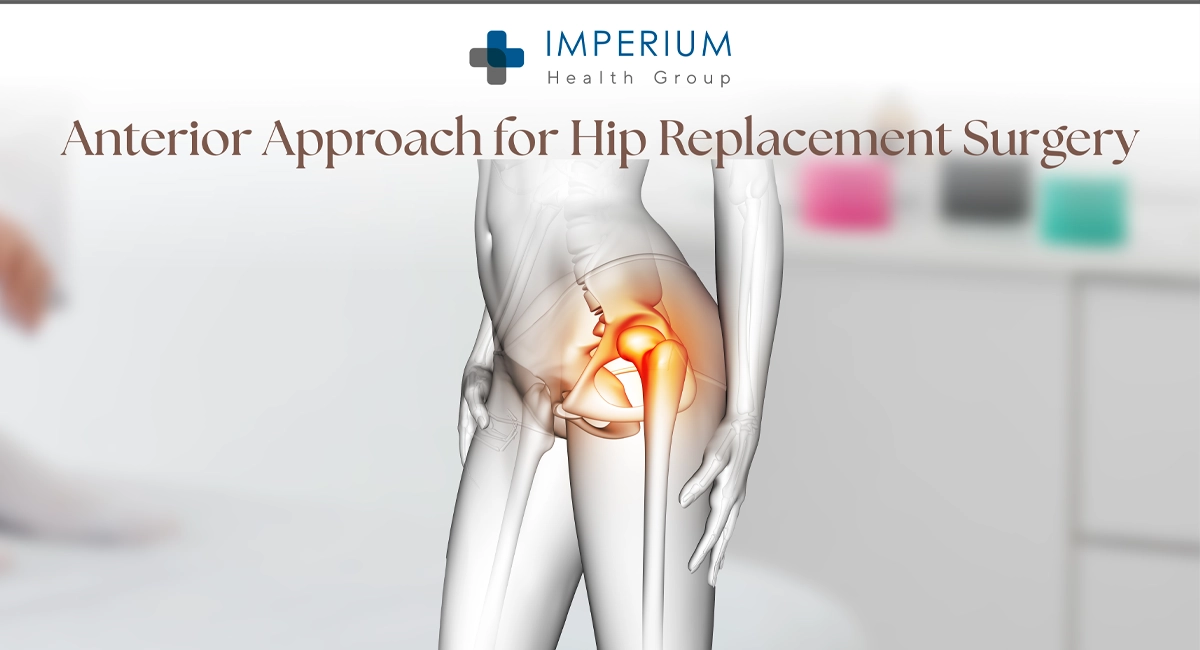
What is Anterior Hip Replacement Surgery?
The anterior approach hip replacement is a modern, minimally invasive surgical technique in which the hip joint is accessed through the front of the body rather than from the side or back. This allows surgeons to work between natural muscle planes without detaching major muscles or tendons, which significantly reduces trauma to the surrounding tissues.
In anterior hip replacement surgery, the surgeon removes the damaged bone and cartilage and replaces them with a prosthetic ball and socket, restoring smooth movement. This approach leads to faster recovery, less post-operative pain, and a lower risk of dislocation, making it an increasingly popular choice among both patients and orthopedic specialists.
Anterior vs. Posterior Hip Replacement — Which is Right for You?
When comparing hip replacement surgery anterior vs posterior, the key difference lies in the surgical entry point.
- Anterior hip replacement enters from the front of the hip, minimizing muscle damage and offering quicker rehabilitation.
- Posterior hip replacement approaches the joint from behind, giving the surgeon a wider view but requiring muscle detachment, which may slightly lengthen recovery.
For patients seeking faster mobility and fewer restrictions, the anterior approach can be ideal, although the final decision should always be made in consultation with expert doctors for hip replacement who evaluate each case individually.
Where is the Incision for Anterior Hip Replacement?
In front hip replacement surgery, the incision is typically made on the front-upper thigh, near the groin. This anterior hip replacement incision usually measures 3–4 inches and allows the surgeon to reach the joint without cutting through major muscles.
Because the incision is smaller and placed on the front, patients often experience less visible scarring and quicker healing. Many hospitals offering anterior total hip arthroplasty now use image-guided tools to optimize incision placement for both safety and aesthetics.
Who Is a Good Candidate for Anterior Hip Replacement?
The anterior approach hip replacement is suitable for patients with healthy bone structure and moderate to severe joint damage due to arthritis, trauma, or congenital deformity. It is often recommended for hip replacement for younger patients who desire faster rehabilitation and a return to an active lifestyle.
However, it may not be suitable for individuals with obesity, previous hip surgeries, or significant bone deformities. A detailed evaluation by an orthopedic surgeon helps determine eligibility.
Pros & Cons of Anterior Approach
Advantages:
- Faster recovery and shorter hospital stay
- Reduced pain and minimal muscle disruption
- Lower risk of hip dislocation
- Smaller, less noticeable scar
- Earlier return to walking and normal activities
Disadvantages:
- Technically demanding procedure requiring specialized training
- May not suit patients with high BMI or complex anatomy
- Potential risk of temporary numbness near the incision area
Imperium Health Group partners with highly skilled surgeons trained in this technique, ensuring safety, precision, and consistent outcomes.
What Are the Risks and Complications of Direct Anterior Hip Replacement?
While generally safe, any surgical procedure carries potential risks. In direct anterior hip replacement, these include infection, blood clots, leg length discrepancies, or injury to nearby nerves. However, when performed by expert doctors for hip replacement in internationally accredited hospitals, these risks are significantly minimized.
Imperium’s partner clinics follow rigorous sterilization and monitoring protocols, ensuring each patient receives world-class orthopedic care with optimal recovery outcomes.
What Are the Limitations of Anterior Hip Replacement?
The anterior approach hip replacement requires specialized operating tables and imaging equipment, which may not be available in all hospitals. Patients with severe deformities or prior hip surgeries may not be suitable candidates.
Additionally, surgeons performing this procedure must have advanced experience due to the narrow surgical field. Imperium ensures all partner surgeons meet global orthopedic standards before patient referral.
What Is the Success Rate of Anterior Hip Replacement?
The success rate of anterior total hip arthroplasty is exceptionally high, between 95–98% when performed by skilled orthopedic surgeons. Most patients report immediate pain relief and improved mobility within days of surgery.
This approach has shown excellent long-term implant survival, often lasting 15–20 years or more, especially when paired with consistent hip replacement physical therapy and lifestyle adjustments.
What Is the Recovery Timeline for Anterior Hip Replacement?
Recovery after anterior hip replacement surgery is notably faster than traditional methods. Most patients can walk with assistance within 24 hours, resume normal activities in 4–6 weeks, and fully recover by three months.
This approach minimizes soft tissue trauma, reducing hip replacement surgery recovery time. Patients are encouraged to engage in guided rehabilitation and gentle exercises to regain flexibility and balance.
How Painful Is an Anterior Hip Replacement?
Because muscles are spared during the procedure, pain after an anterior approach hip replacement is generally less intense than with other methods. Mild soreness and swelling may persist for a few weeks but are easily managed with medication and physical therapy.
Patients often describe the discomfort as far less than the pain they experienced before surgery due to arthritis or joint degeneration.
Final Thoughts
The anterior approach hip replacement represents a significant advancement in orthopedic care blending innovation, comfort, and faster recovery. Whether you are considering hip arthritis surgery or exploring options for hip replacement for younger patients, Imperium Health Group connects you with expert doctors for hip replacement at globally recognized clinics offering cutting-edge technology and patient-focused care.
With Imperium, you’re not just getting surgery you’re gaining confidence, mobility, and a renewed quality of life.
Book your free consultation today and take the first step toward a pain-free tomorrow.